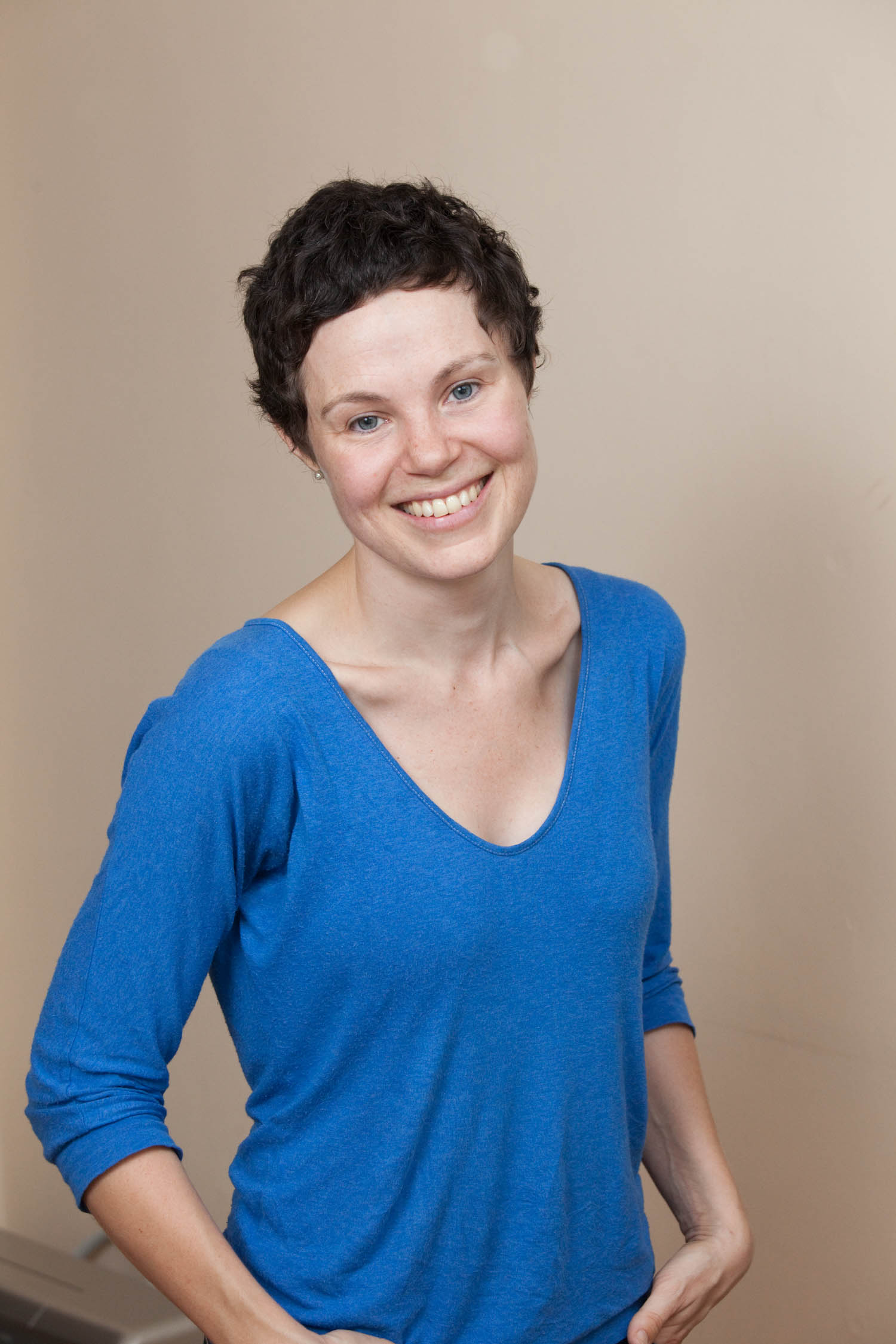
From ruffles to pimples

My nipples haven’t stuck in place. Instead of nipple ruffles I have nipple pimples. The water proof dressing wasn’t so water proof. Unfortunately when I changed the dressing they’d already become infected. I figured the water trailed in along my mastectomy scar, because the second water proof (to the power 10) dressing let the old H of 2O in also.

The initial nipple tack done under local anaesthetic went really well. The bugger with having an infection is that the stitched wound spreads apart and in effect undoes/unzips the stitches and neat job performed by the surgeon. The result of all this is that my previously pert nipples are now flattened; the left will hopefully go the distance, but the right is a goner. The plastic surgeon told me to allow the wound to dry out. On seeing the infection he quickly announced, “We’ll get them looking good don’t worry”. Then he proceeded to discuss skin grafts, preferably taken near an existing scar to mask the graft site. I blanked out the entire option let alone conversation about skin grafting. I just don’t want that much more hassle for something that’s between Brett and I only. If we can live with the current results then ‘stuff it’ they’re staying as is. However, the final results aren’t in yet as the infected right side hasn’t healed and both sides have crusty scabs. No decisive news on this front (so to speak).

‘Delivery for Ms Dietrich – one pair of nipples – just sign here please … ‘

My nipples are on. I walked into my plastic surgeon’s office last Wednesday (28th July) with no nipples and an hour and a half later I walked out with some. They’re not giving any peek-a-boo action through my shirt yet. If I peer down my top I see two twenty centimetre blood stains under water proof dressings. The dressings stay on for a week and then my plastic surgeon removes or changes them.

I opted to have the nipple ruffles performed under local anaesthetic to avoid a general anesthetic and hospital stay. It was painless, and took the length of a good lunch with friends. I didn’t have to enter the hospital system and more importantly have my brain (and body) shut down for a minor surgical procedure. No nausea and no pea-souper.

On the operating (procedures) table my plastic surgeon, his nurse and I talked about Charlie Teo – a renowned (some say notorious) Australian neurosurgeon. I’d just read an excellent book called Life In His Hands: The True Story of a Neurosurgeon and a Pianist (2008) about Dr Teo’s treatment of a young pianist with a hemangiopericytoma brain tumour. These tumours originate in membrane covering the brain tissue and are classed as malignant because the recurrence rate is high and they grow fast[i]. They mostly occur in young men.

My plastic surgeon and Dr Teo met as registrars in Queensland. Dr Teo sat in a coffee room in full bike leathers with a thumping 1000cc motorbike parked outside after riding up from Sydney. My plastic surgeon liked his openness and thought him a genuinely nice guy.

According to some neurosurgeons Charlie Teo operates on patients others class as inoperable. Some of his surgeries result in quicker deaths and unpleasant final days before the brain tumour takes its toll. What our discussion led to was interesting – that of hope. Dr Teo provides hope when others don’t, even if the surgery is so risky the person’s life might end on the operating theatre.

If you have a medico willing to risk a procedure that might give you longer on the earth and you’re fully briefed on the consequences if the operation fails then having the choice to hope (beyond medical doubts) is worthy in my eyes.

The hematologist-oncologist Dr Jerome Groopman in The Anatomy of Hope: how people find strength in the face of illness (2004) put it like this:

My place is to provide choice and understanding. To hope under the most extreme circumstances is an act of defiance … that permits a person to live his life on his own terms. It is part of the human spirit to endure and give a miracle a chance to happen (p.81).

Dr Groopman goes on to say that with new therapies in cancer what once seemed a miraculous turn around from likely death in patients with advanced, aggressive cancers surviving becomes more commonplace with advancements in chemotherapy treatments and drug regimens[ii].

The reason I was lighter and happier when I woke up without my breasts after a double mastectomy was that hope had flooded back into my room. I finally dared to think ‘I might get over this’.

Several months before my mother died the palliative chemotherapy she received had shrunk the metastatic tumour in her liver. The reason my mother gave palliative chemotherapy a try was to sustain her life long enough to tie-up loose ends like a failing marriage as well as to have as long as possible with me. When I entered her home to become her full time carer, in her words, she’d been sent home to die. There was no further treatment offered or arranged for my mother and no arrangements made like hospice services or support service information in her area. Mum lived in Northern Rivers NSW and had to drive to the Gold Coast or Brisbane for appointments with medical specialists[1]. There was no hope of a recovery and she’d been given roughly a year to live.

One time Mum sat up in bed and in a chirpy voice told me that you never knew a miracle might occur and she could still be cured of cancer. I didn’t want her to fixate on a false hope that her cancer was no longer terminal and gently reminded her of the fact. In hindsight I would’ve had more fun with it – made the conversation lighter – instead of quashing her levity.


[1] Patient Assistance Travel Scheme (PATS) is a travel allowance for people who travelling 70-100 kilometres for treatment. My mother did this all the time, but never knew about this allowance. I didn’t either.


[i] Wyndham, Susan (2008). Life In His Hands: The True Story of a Neurosurgeon and a Pianist, p.21. Picador: Sydney.

[ii] Groopman, Dr Jerome (2004). The Anatomy of Hope: how people find strength in the face of illness. Simon & Schuster: London.

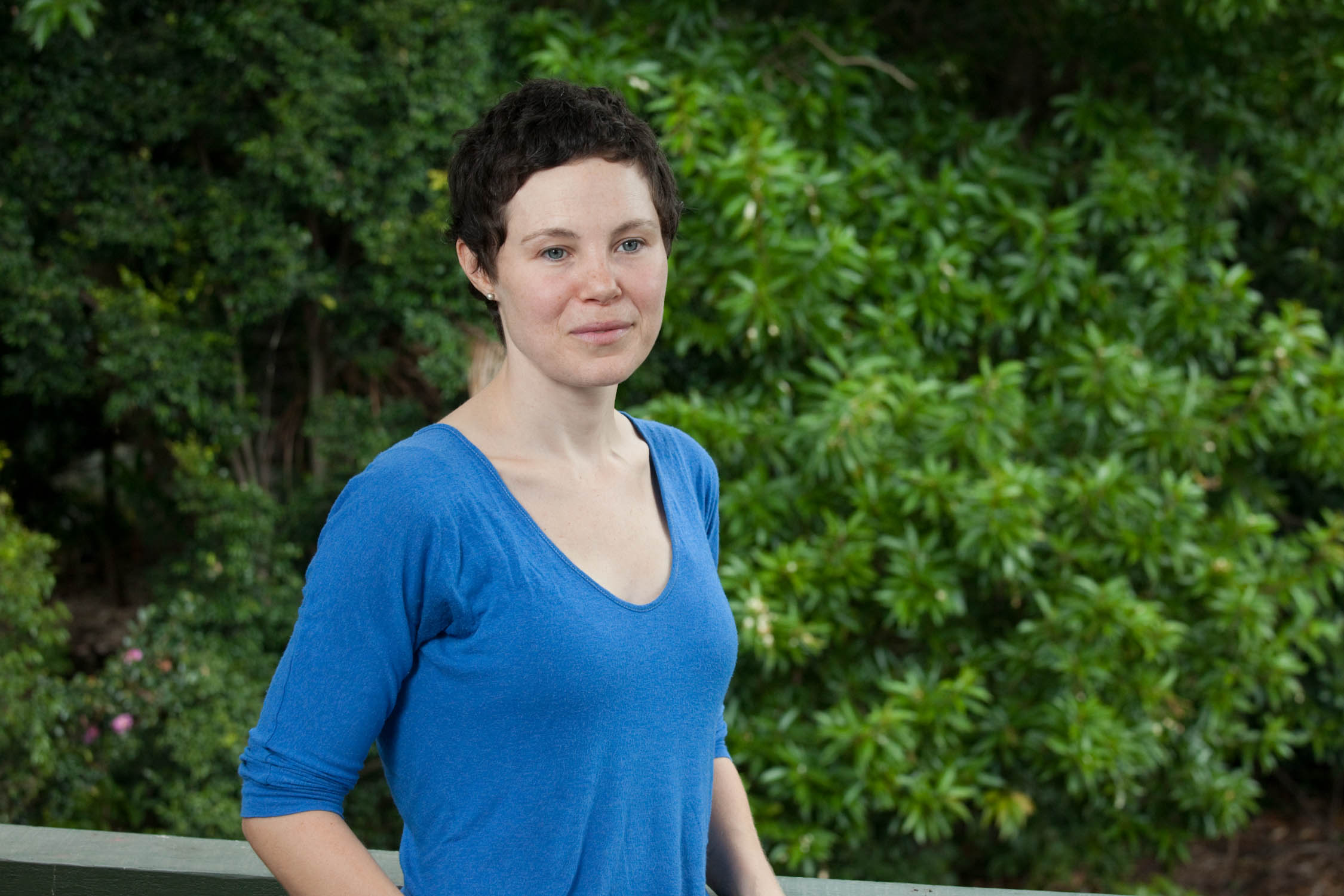
TODAY I was tickled pink

Nak (the culture of beautiful hair)[1] provided three women (I was one of them) through the Choices program free natural hair extensions, a hair dye and cut, products to maintain and stimulate hair growth and up keep for a year. The TODAY morning show on Channel 9 with the Queensland news correspondent Alison Fletcher ran a three minute interview today on us about the impact of losing hair from breast cancer treatment. The segment was called ‘Hair hope’. I left with a Japanese anime femme fatale look, and I likely give off an edge of cool I don’t have.

Robin Bailey from 97.3FM did before and after interviews too for the Think Pink Week 19-24th July 2010, which raises money for the Choices program. Choices don’t receive government funding so all services run off profits made through fundraising and sale of merchandise


[1] http://www.nak.net.au

Last day of Herceptin

Today Felix and I strolled in late for my last session of Herceptin. As per normal I was physically examined by an oncologist (armpits, hands, breasts and breathing) and informed the doctor of my side effects: joint pain, hot flushes, fatigue, poor sleep, bit of a dry martini and some twinges. Tests of my heart functioning report that my heart does exactly that: function.

A year ago I commenced chemotherapy alongside Herceptin treatment. Herceptin runs for twelve months, though there are rumours in oncology that the length of time women receive Herceptin might reduce soon as it hasn’t been proven women with HERII positive breast cancer require such a long treatment. I don’t care I wanted to get the stuff for as long as possible (and also as long as it was safe).

It’s a big day, even though it doesn’t feel like one as yet. I’ve finished my IV drugs. In a couple months I can get my portacath removed.

Chicks in Pink charity shot on May 11th, 2010

Chicks in Pink is a fund raising organisation that runs out of Mater Private hospital. A public relations woman and photographer came to my house in May and 1.got my story down for an article in a magazine and 2.took a bunch of photographs for their banners. They use these banners for fund raising events and such. So, I don’t know which shot they’ll use as the three above are just examples. The photographer, a lovely Dutch man who’s mother died from breast cancer, sent a whole disc of me smiling into the camera (I should’ve worn lipstick or something as my face looks rather plain).

This year so far

This year is pounding the pavement like an endorphin addicted marathon runner. Next month my son turns two, and I get nipples (under local anaesthetic no less). I’m shaking a bad cold which went to my chest producing much coughing and hacking. As a consequence I lost my voice three days ago and it hasn’t returned until today. I can now rasp words out. Apart from the winter cold I’m happy.

In the day oncology unit

Felix and I hanging out while I receive my Herceptin infusion via my portacath – hence – I can use both hands to play with Buzz Bear (one of his many names). He’s so well behaved that he even goes to sleep under the flourescent lights, ignores the pinging machines and shuts out the noise of talking nurses and patients.

Today was the official last dose of Herception (BIG) as far as the BETH trial is concerned. However, I was offered to return one last time tor receive a third of the dose to cap off my year of Herceptin, which my oncologist usually gives. As I’m belt and braces when it comes to my breast cancer I’m taking the last smaller dose. One last time and then I can get my portacath out. Oh … we’re getting there folks.

Out of hospital with silicon goddesses

Just home from my Mater hospital stay. Allegedly all went well. The only odd thing is that I woke up looking like I’d gone ten rounds in the ring. Some patients’ eyes flutter or remain open so they tape them shut. I’m not sure why mine were (probably ’cause they fluttered like butterflies), but I had an allergic reaction hence the bruised eye appearance. Not a biggy, as they don’t hurt at all. Happy to be home and with my new ladies.

Water beds

I can see my heart beating in my left breast. My breast expanders act like a water bed and the pitter-pat rhythm of my heart sends waves through the saline solution. Pretty odd hey?